CFD risk warning: Trading leveraged products involves risk. This page is educational and not financial advice. Always verify the exact entity, fees, and conditions on the broker’s official pages before depositing.
Best for: Scalpers & MT4/MT5 EAs Execution: Market + Instant (by account) Watch: Entity / jurisdiction differences

Exness Broker Review

Exness is popular with active traders because pricing can be competitive on pro-style accounts, and the funding/withdrawal experience is generally smooth. The key detail that decides everything: the specific Exness entity you register under.

Costs
Strong
/10
Raw/Zero style accounts shine when you count spread + commission.
Execution
Good
/10
Market execution on most pro-style accounts; behavior varies by account type.
Clarity
Watch
/10
Entity/jurisdiction differences can change protections and conditions.
MT4 + MT5 supported Raw/Zero for cost focus Execution differs by account type
Snapshot
Key facts at a glance before you fund.
🧾
Accounts
5 types: Standard, Pro, Raw Spread, Zero, Standard Cent
  • Cent sizing for tiny risk & testing
  • Raw/Zero for frequent-trading all‑in cost
  • Swap‑free availability depends on entity rules
Choose based on your main symbol’s all‑in cost and how small you need to size risk.
💸
Pricing model
Spread‑only or spread + commission (depends on account)
  • Judge all‑in cost, not spreads alone
  • Commission differs by instrument & account
  • Swaps can dominate on holds
Compare during London/NY hours on the symbol you trade most.
🗓️
Founded
2008 (16+ years track record)
  • Longevity lowers “new broker” risk
  • Rules differ across entities & regions
  • Protections depend on jurisdiction
Long history helps, but the regulated entity on your account is what matters legally.
Execution
Market execution; slippage increases on spikes
  • Expect more slippage during news
  • Behavior varies by account & conditions
  • EAs feel latency/spread the most
Execution feel is best judged during liquid hours and on fast markets.
🎯
Best for
Scalping • cost‑sensitive trading • MT4/MT5 EAs
  • Active sessions when spreads are tight
  • Raw/Zero shine for frequent entries
  • Cent accounts for live strategy testing
If you trade often, prioritize all‑in cost + execution consistency.
⚠️
Watch
Your entity changes protections, leverage & terms
  • Confirm the exact regulated entity name
  • Know protections & complaints route
  • Check fees, limits, and promo terms
Before funding, match the entity on your account to the regulator listed in the Safety section.


Pros & Cons

Pros What stands out
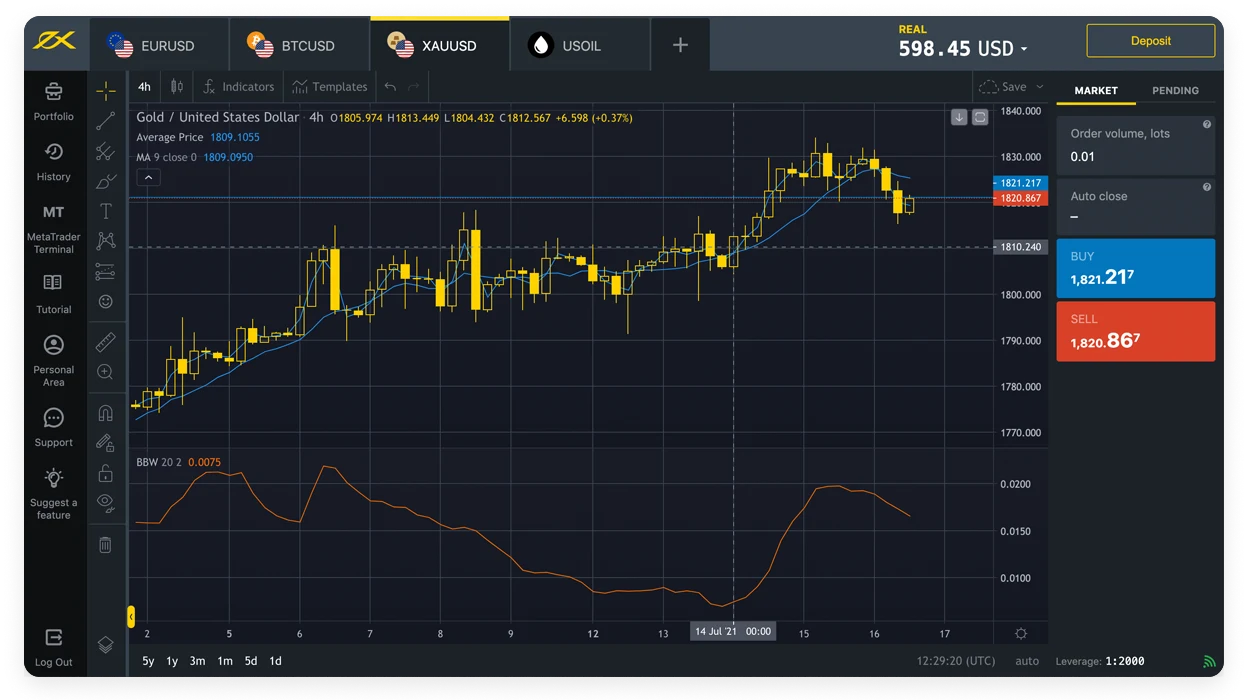
  • Platform spread: MT4, MT5, Exness Terminal (web), and the Exness Trade app — covers most workflows.
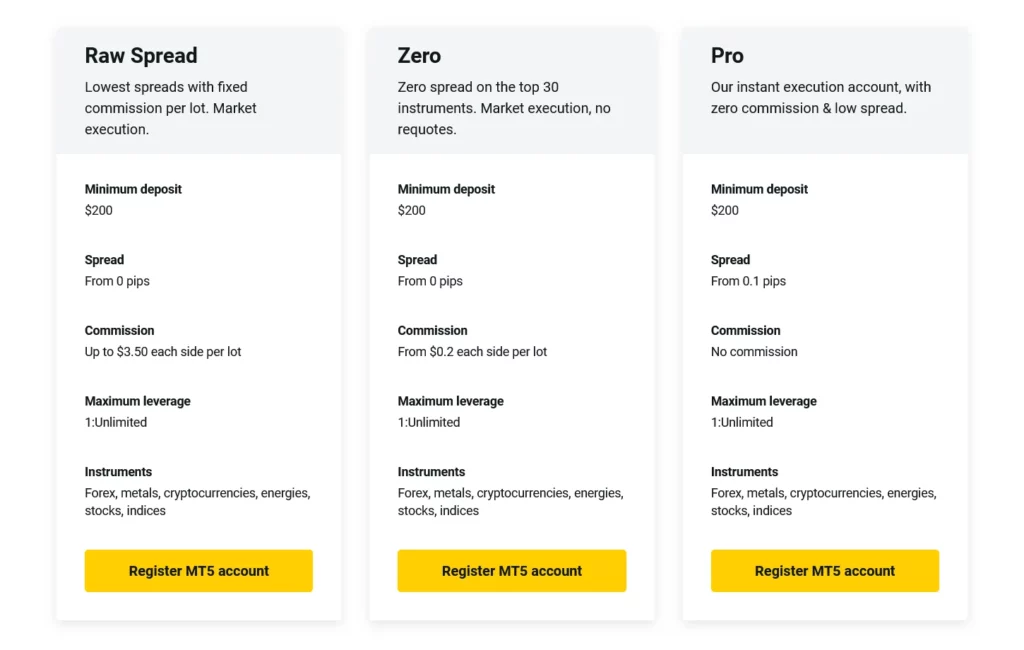
  • Clear pricing lanes: Standard/Pro are spread‑only; Raw Spread and Zero are commission‑based (per Exness account specs).
  • Withdrawals positioning: Exness states withdrawals run 24/7; processing time depends on the payment method and provider.
  • Micro‑sizing option: micro‑lot sizing is available; confirm whether a cent‑style account is offered under your entity.
  • Support availability: Exness lists 24/7 support in 14 languages and ticket replies within 24 hours.
Cons What to watch
  • Entity differences: conditions and protections depend on the legal entity you register under — confirm your exact entity before funding.
  • Execution nuance: Pro is shown as instant execution (requotes possible); market execution accounts can slip on spikes.
  • Symbol‑dependent costs: “from 0.0” doesn’t mean “always 0.0” — your symbol and session determine the real bill.
  • Payment rules can bite: method matching + name/ownership rules can block withdrawals if you use third‑party accounts.
  • News traders still get hit: spreads widen and slippage increases during high‑impact releases (plan risk).
🧩

Broker Profile

Reputation Scores

Trustpilot
/ 5
Forex Peace Army
/ 5
Investopedia
/ 5
FXEmpire
/ 5
DailyForex
/ 5
WikiFX
/ 10
Myfxbook
/ 5
BrokerChooser
/ 10
ForexBrokers.com
/ 5
🧬

Broker DNA

DNA /10
Safety
Costs
Execution
Platforms
Cashout
Support
📌

Broker facts behind the scores

🧾
Accounts & pricing
Write what traders pay in the real world.
  • StandardTypical spread (EURUSD): from 0.2 pips (published floor) · Commission: none
  • ProTypical spread: from 0.1 pips (published floor) · Commission: none · Notes: market or instant execution (instant can requote)
  • Raw SpreadSpread: from 0.0 pips · Commission per lot: up to $3.50/lot/side (varies by symbol)
  • ZeroWhere it’s “zero”: 0 spread on top 30 instruments ~95% of day · Commission: from $0.05/lot/side (by instrument)
Where to verify: Contract Specs (symbol) + the account pricing page.
🚀
Execution model
How orders behave on your account type.
  • Execution typeMarket / Instant: market on Standard/Cent/Raw/Zero; Pro can be market or instant
  • RequotesObserved frequency: market execution = none (no requotes); instant execution = possible
  • SlippageMedian fill distance (liquid hours): not published; log 20 fills and compute median (points)
  • StopsStop level / freeze level notes: stop level usually none; pending orders have min distance (Contract Specs)
Where to verify: Platform order logs + symbol stop/freeze rules in Contract Specs.
💳
Withdrawals reality
Time, fees, and the “net received” truth.
  • Top methodsCommon options: bank card · bank transfer · e‑wallets · crypto (availability depends on country)
  • Typical timeProcessing: 24/7; varies by method · Arrival: depends on provider/bank (minutes → days)
  • FeesBroker: method‑dependent (often 0) · Provider: possible · FX: depends on conversion
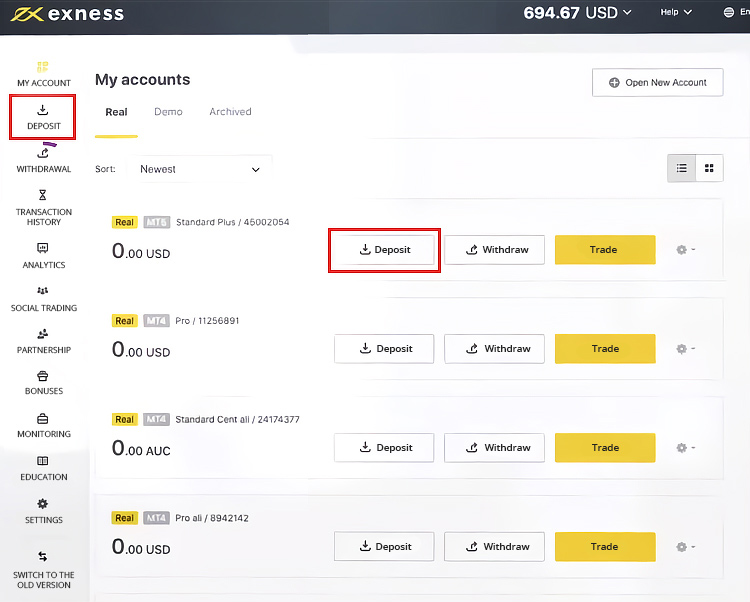
  • LimitsMin/Max per withdrawal: varies by method/country (shown in Personal Area)
Where to verify: Client portal history + a small live withdrawal test.
🛟
Support reality
Speed is nice — resolution quality matters more.
  • ChannelsLive chat / email / phone: 24/7 live chat + tickets; phone varies by region
  • First replyAverage: minutes on live chat · Worst: tickets up to 24h
  • ResolutionSolved vs scripted: varies — keep ticket IDs; test a real issue (e.g., swap/commission query)
  • Best hoursWhen support felt strongest: during your language peak hours (often London/NY overlap)
Where to verify: Keep 2–3 ticket IDs and note time-to-solve, not just time-to-reply.
🛡️
Entity & protections
The entity you sign under changes the reality.
  • EntityExact legal entity name: varies by region (shown in PA). Common: Exness (UK) Ltd / Exness (Cy) Ltd / Exness ZA (Pty) Ltd / Exness SC Ltd
  • RegulatorFCA/CySEC/FSCA/FSA etc: depends on your entity — FCA 730729 · CySEC 178/12 · FSCA 51024 · FSA SD025 (plus others)
  • ProtectionsSegregation / NBP / comp scheme: negative balance protection; stop out 0%; Stop Out Protection feature (not for KE/JO entities). Other schemes depend on entity
  • Leverage rulesRetail limits / pro eligibility: entity + instrument based; higher margin requirements can apply before news
Where to verify: Client portal “legal documents” + the regulator register.
🧩
Broker policy snapshot
Rules that change the real outcome.
  • Margin call / stop outStandard & Standard Cent: 60% / 0%; Pro, Raw Spread & Zero: 30% / 0% (stocks can be increased during elevated risk).
  • Negative balanceNegative Balance Protection restores a negative trading account balance back to 0 after stop out.
  • Withdrawals processingWithdrawals can be initiated 24/7; if a request is not instant, Exness says it will be processed within 24 hours (payment systems may take longer).
  • Swap-free optionSwap-free is enabled by default; qualification can change based on trading activity and region (check status in your Personal Area).
Where to verify: Exness Help Center (margin levels, NBP, swap-free) + Personal Area trading conditions and withdrawal method processing times.
🎯

Who It’s For

🎯

Trader Fit Matrix

🎓
Good fit
Beginner
Simple onboarding, common instruments, decent learning path.
Strong
Scalper
Prioritize raw pricing + stable execution during liquid hours.
📰
Mixed
News Trader
Spreads can widen; test slippage & fills on your chosen account.
🌙
Good
Swing
Works if overnight costs and swaps are acceptable for your style.
🤖
Strong
Algo / EA
Great when VPS + stable spreads are your main priority.
🧩
Depends
Copy Trading
Quality depends more on the provider than the broker — verify fees.
🎯

Real‑life scenarios

Scalping majors
Many trades, tight stops, you feel costs + fills immediately.
  • Best pickRaw Spread / Zero (commission + tighter spread)
  • What winsLower all‑in cost during London/NY hours
  • What hurtsSlippage during spikes + spread widening off‑hours
  • Your testRun 10 small trades (same symbol/lot) and note spread + commission + fill distance
Note: Don’t judge scalping by “from 0.0”. Judge by your real all‑in cost on your symbol.
🤖
MT4/MT5 EAs
Consistency matters more than “perfect” spreads once volume increases.
  • Best pickRaw Spread / Standard (depends on your EA’s trade frequency)
  • What winsStable fills, low rejects, predictable execution during your EA’s window
  • What hurtsTight stops if stop/freeze levels apply on your symbol
  • Your testLog 20–50 small orders: average slippage, rejects, and fill time (VPS vs home)
Note: If your EA is sensitive, place a VPS close to the broker servers and compare fill stability.
📈
Swing & indices
When you hold trades, swaps and rollover behaviour can dominate results.
  • Best pickAccount with the best swap rules for your instrument
  • What winsTransparent swap long/short + stable execution at rollover
  • What hurtsTriple‑swap day + wider spreads around rollover
  • Your testCheck swap rates in Contract Specs and record 1 week of holding costs on your instrument
Note: FX, metals, and indices can behave very differently — keep notes per instrument, not “per broker”.
🏦
Monthly withdrawals
The “withdrawal experience” is method‑dependent — speed and fees vary.
  • Best pickA method you can repeat (same owner name + same region)
  • What winsConsistent processing + predictable net received amount
  • What hurtsProvider delays + FX conversion fees (not always broker fees)
  • Your testDo 1 small withdrawal first; record time-to-arrive + net received
Note: Exness markets 24/7 withdrawals, but “instant” still depends on the payment provider.
🛡️

Safety

Regulation & Safety

FCA (United Kingdom)
Top‑tier conduct supervision & tight rules
Regulator
Strength
Strict conduct rules Leverage limits Clear complaints path
  • Typical focus: client money handling, fair marketing, conflicts‑of‑interest controls.
  • What to check: your entity name and your “retail vs professional” classification.
  • Reality: product set and leverage are often more restricted under top‑tier regimes.
Best for: traders who prefer the strictest oversight even if flexibility is lower.
CySEC (Cyprus / EU)
EU framework & standardized conduct rules
Regulator
Strength
MiFID‑style rules EU disclosure standards Retail protections
  • Typical focus: transparency, suitability, and product governance standards.
  • Eligibility matters: protection schemes can depend on residency and client category.
  • Reality: leverage/marketing rules tend to be tighter than offshore entities.
Best for: EU traders who want strong disclosure + standardized oversight.
FSCA (South Africa)
Strong conduct regulator; common global onboarding
Regulator
Strength
Conduct supervision Documented licensing Dispute routes
  • Typical focus: authorization, conduct standards, and basic client‑facing safeguards.
  • What to check: the licensed entity name and whether you’re routed here or elsewhere.
  • Reality: flexibility can be higher than EU/UK, protections can vary.
Best for: international traders wanting a regulated route with a balanced rule set.
FSA (Seychelles)
Offshore regulator; typically higher flexibility
Regulator
Strength
More product flexibility Higher leverage possible Protections vary
  • Typical focus: licensing + baseline oversight, often lighter than top‑tier regimes.
  • What to check: client money rules, dispute process, and risk disclosures inside the portal.
  • Reality: flexibility is usually higher, but the safety net can be thinner.
Best for: experienced traders who value flexibility and can self‑manage risk.
How to verify your entity (fast): open your client portal → look for the legal entity name in profile/terms/documents → match it to the regulator above. If the entity doesn’t match, treat the protections as different.
🛡️

Trust & Protections

Entity & License Clarity
You can see which legal entity you’re under before funding
Protection
Score
Transparent onboarding Docs easy to find Know your entity
  • Why it matters: protections and product rules depend on the entity, not the brand name.
  • What to check: regulator, license number, and the exact company you contract with.
  • Good sign: entity info is visible and consistent across portal, T&Cs, and statements.
Client Money Handling
How deposits are safeguarded + where funds sit
Protection
Score
Segregation varies Policy-driven Confirm by region
  • Core idea: client funds should be handled separately from operating money where rules require it.
  • Reality: the level of segregation/coverage can change by jurisdiction and client category.
  • Best habit: read the “client money” section and keep proof of your entity selection.
Compensation & Insurance
Backstops (where available) in case of firm failure
Protection
Score
Jurisdiction-specific Eligibility rules Read the fine print
  • What it is: some regulators provide compensation schemes; others don’t.
  • Big catch: coverage limits and eligibility can exclude certain clients/products.
  • Best move: treat it as last‑resort protection, not a substitute for risk management.
Negative Balance Protection
Helps prevent account equity going below zero during spikes
Protection
Score
Retail safety net Spike resilience Policy-based
  • Plain English: your loss is capped at the money in your account (when applicable).
  • Where it breaks: professional status, certain instruments, or extreme gap scenarios may differ by rules.
  • Trading reality: still manage leverage — this protects the account, not the entry.
Margin & Stop‑Out Rules
How positions are reduced/closed when margin gets tight
Protection
Score
Clear thresholds Risk containment Read the policy
  • What to look for: margin call % and stop‑out % (and whether partial close is used).
  • Why it matters: transparent rules reduce “surprise liquidations” in fast markets.
  • Best habit: test on a demo with the same leverage and instrument set you’ll use live.
Login & Account Security
2FA, device management, and access controls
Protection
Score
2FA available Session control Anti‑fraud layer
  • Must-have: app or SMS 2FA + strong password + unique email security.
  • Extra value: device/active session lists + login notifications.
  • Real protection: secure withdrawals matter as much as secure logins.
KYC / AML & Fraud Controls
Identity checks that reduce account takeovers and chargeback abuse
Protection
Score
Verification steps Deposit integrity Reduces abuse
  • What it does: makes it harder for stolen payment methods to be used on accounts.
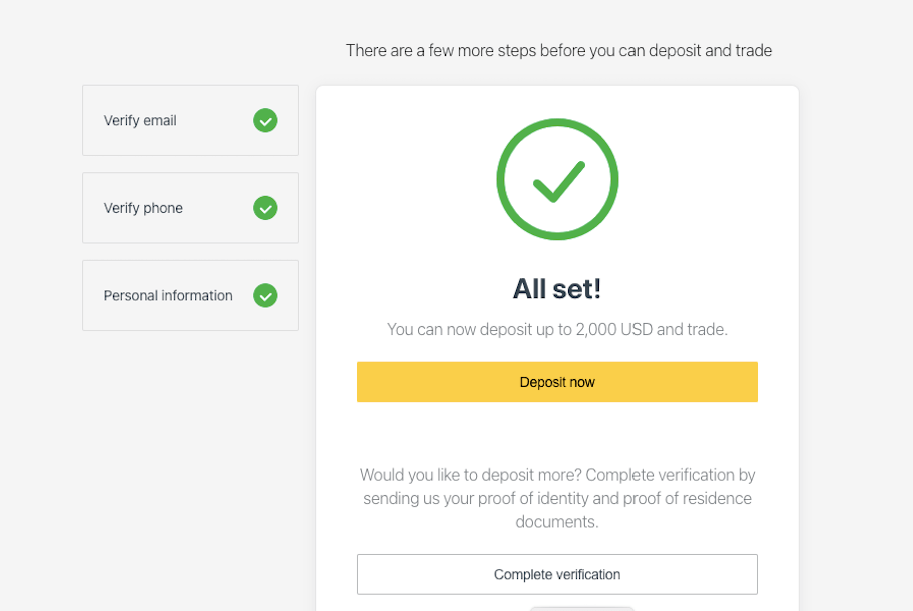
  • Your cost: some delays during onboarding or when changing payment methods.
  • Best habit: keep documents current to avoid withdrawal holds later.
Disputes & Escalation Path
How complaints are handled when something goes wrong
Protection
Score
Ticket history Written outcomes Regulator route
  • What you want: clear timelines, written responses, and a documented escalation ladder.
  • Proof matters: keep screenshots, order IDs, and chat/email transcripts.
  • Entity link: the regulator determines the external complaints route (if available).
📉

Trading Conditions

💸

Cost Breakdown

Your real all‑in cost is usually a mix of spread, commission, and swaps. These cards explain what each fee means and what to check on your exact account.

Spreads
The “hidden fee” inside every entry & exit
Component
Score
Impact % Variable Session‑dependent
  • Exness headline: Standard spreads from 0.2 pips; Pro from 0.1; Raw/Zero can start from 0.0 (instrument‑dependent).
  • Where spreads bite: rollover + news spikes — your “real” spread is what you see on your main symbol in your usual session.
  • Exness check: verify live spread in Market Watch and confirm symbol Contract Specs (per account).
Quick check: compare the same symbol across account types (Standard vs Raw/Zero) at the same time of day.
Commission
Often the trade‑off for lower spreads (Raw/Zero)
Component
Score
Impact % Per lot Round‑turn matters
  • Exness accounts: Standard & Pro are no‑commission.
  • Cost accounts: Raw Spread commission up to $3.50 per side per lot; Zero commission from $0 (instrument‑dependent).
  • Exness check: compare “all‑in” cost (spread + commission) on the same symbol, same session.
Tip: estimate “all‑in cost” = spread (pips) + commission converted to pips on your position size.
Swaps
Overnight financing — invisible until you swing‑trade
Component
Score
Impact % Overnight Triple‑swap day
  • Swing cost driver: swaps can dominate cost for overnight holds (it’s different per symbol).
  • Exness check: read swap long/short + triple‑swap day in Contract Specs for your symbols.
  • If you avoid swaps: confirm swap‑free availability + conditions for your entity/account (when offered).
Best for: day traders. Swing traders should model swap before choosing a broker/account.
Other fees
Deposits/withdrawals, conversion, inactivity & extras
Component
Score
Impact % Payment‑method Currency conversion
  • Method matters: arrival time and fees depend on the payment method and your bank/wallet.
  • Exness statement: withdrawals run 24/7; processing time depends on the payment method and provider.
  • Practical move: do one small deposit + withdrawal and record net received amount + time‑to‑arrive.
Quick win: fund and withdraw once with a small amount to confirm real fees & speed.
📈

Spread Stability

Asia
Tight
London
Very tight
New York
Moderate
Rollover
Rollover spike
🚀

Execution Feel

How execution feels in real trading — clean fills in liquid hours, wider conditions on spikes, and what affects your entries/exits.

Execution type by account
On Exness, most accounts are “market fill”. Pro can use “instant price” on many instruments.
Model
Score
Standard
Simple pricing
Market fill
Raw / Zero
Tighter costs
Market fill
Pro
Price-control feel
Instant*
Means
Market fill = you get the best available price now (slippage can happen). Instant* = you ask a price; if it moved, you may get a requote.
Best for
Raw/Zero + EAs/scalping usually prefer market fill. Pro can feel nicer for manual clicking on some instruments.
Verify
Check your Exness account details + symbol specs. On MT4/MT5, the Deviation setting matters for instant execution (Pro).
Exness test: compare Pro (instant) vs Raw Spread (market) fills on the same symbol/lot: record 20 fills and compare slippage + requotes.
Liquid-session fills
When London & New York are active, execution is usually cleanest
Liquid
Score
Means
Most orders fill close to your click price because there’s more liquidity.
Best for
Day trading + scalping (tight stops, lots of entries).
Verify
Do 10 x 0.01-lot trades in the London/NY overlap and note spread at click + fill price.
Tip: if your fills look “worse than expected” in liquid hours, it’s usually your symbol (or connection), not your strategy.
Slippage size
How far the fill can move from your click price under normal conditions
Slip
Score
Means
Small slippage is normal on market fill. Big jumps usually happen when the market moves fast or liquidity is thin.
Best for
EAs + frequent entries (they “feel” slippage more because it stacks).
Verify
Export history and check worst-case slippage. If you’re on Pro (instant), adjust Deviation to reduce requotes.
Quick win: use limit orders for entries when possible — it forces price control.
Stops & Take‑Profit rules
What happens when your stop is too close, or the market jumps
Order
Score
Means
Stops/TP work normally, but ultra-tight stops can be rejected if they break minimum-distance rules.
Best for
Set‑and‑forget traders who rely on automatic exits.
Verify
In MT4/MT5, open Contract Specs and check “Stop level / Freeze level” for your symbol (especially metals/indices).
Rule: if your EA uses tiny stops, it will fail randomly on some symbols — widen stops or use a different entry model.
Big‑news behavior
During CPI/NFP‑style spikes, spreads widen and fills can move fast
Stress
Score
Means
Expect wider spreads, more slippage, and faster stop hits. That’s normal for any broker in red news.
Best for
Traders who skip red news — or those who trade it with wider risk controls.
Verify
Watch MT4/MT5 spreads 5 minutes before/after news and check the Journal for requotes/off quotes.
Simple rule: if you trade news, reduce lot size and use wider stops — don’t fight volatility.
Connection & platform stability
What you’ll feel when you send many orders fast (manual or EA)
Infra
Score
Means
High ping can cause worse fills and more rejects. Stable routing feels “smooth” on rapid entries.
Best for
Scalpers + EA users who care about consistency, not just best-case spreads.
Verify
Check ping in MT4/MT5 (bottom-right). Compare home internet vs a VPS closer to broker servers.
Exness note: if your MT4/MT5 EA trades often, a VPS close to the broker can improve latency consistency — log fills before/after.
Requotes & “Off quotes”
Two common MT4/MT5 messages — and how to reduce them on Exness
Fix
Score
Means
Requote = instant execution couldn’t fill at your requested price. Off quotes = price moved too fast or the quote stream changed.
Best for
Anyone trading fast moves — especially Pro account users (instant execution).
Verify
Confirm the symbol is open, avoid rollover minutes, and on Pro set a larger Deviation. If you want zero requotes, use market‑fill accounts.
Shortcut: if your EA can’t handle requotes, don’t use instant execution — it’s not “bad”, it’s the wrong model.
🧰

Setup & Platforms

Account Types

Standard
Spread-only pricing, easiest setup
Simplicity
No commission Market execution All‑rounder
  • Pricing: spread-only (no separate commission line).
  • Good when: you trade moderate volume and want clean accounting.
  • Watch‑outs: scalpers may pay more than on commission accounts.
Best for: beginners, swing traders, and “simple trading” workflows.
Standard Cent
Small sizing & discipline practice
Small‑Size
Tiny risk Spread-only Training
  • Pricing: spread-only (like Standard).
  • Good when: testing rules, building consistency, or learning execution.
  • Watch‑outs: instrument list can be smaller than “full” accounts.
Best for: new traders and strategy testing with minimal exposure.
Pro
Tighter typical spreads, premium handling
Handling
Tighter spread Fast flow Manual trading
  • Pricing: usually spread-only but designed to be tighter than Standard.
  • Good when: you want “clean pricing” but better spreads than beginner accounts.
  • Watch‑outs: execution model may differ by broker/symbol — always verify.
Best for: active manual traders who like spread-only simplicity.
Raw Spread
Low spread + commission (true cost focus)
Cost Focus
Commission EA‑friendly Scalping
  • Pricing: tight raw spreads + commission line item.
  • Good when: you trade higher frequency/volume where a few points matter.
  • Watch‑outs: compare all‑in cost (spread + commission) on your main pairs.
Best for: scalpers, EAs, and cost‑sensitive systems.
Zero
0‑spread style on selected symbols + commission
Spread Control
Selected symbols Commission Precision
  • Pricing: “near‑zero” spread style + commission (symbol‑dependent).
  • Good when: you need predictable spread behavior for specific instruments.
  • Watch‑outs: commissions can be higher — check your exact symbol list.
Best for: high‑frequency flows on the broker’s supported “zero” list.
Swap‑Free
Hold positions without overnight swap (where offered)
Hold‑Friendly
Overnight Long holds Conditions apply
  • Pricing: swap-free terms vary (and can include alternative fees/rules).
  • Good when: you hold multi‑day positions and want predictable carry cost.
  • Watch‑outs: eligibility and symbol rules differ — confirm broker policy.
Best for: position traders and religious‑compliant setups where supported.
🧩

Platform Console

MT4
Supported
Classic EA ecosystem
  • Good for: Classic EA ecosystem, lightweight execution, massive indicator library.
  • Best for: EAs/scripts, lightweight installs, legacy indicator libraries.
Readiness
MT5
Supported
Modern tester + depth
  • Good for: More order types, faster strategy testing, modern features.
  • Best for: modern order types, multi-asset trading, faster strategy testing.
Readiness
WebTrader
OK
Browser terminal (no install)
  • Good for: Quick access when you can’t install software; good for monitoring.
  • Best for: monitoring + quick trades when you can’t install software.
Readiness
Mobile App
Strong
iOS/Android trading + account controls
  • Good for: Monitoring + manual execution; avoid overtrading from the phone.
  • Best for: monitoring, alerts, deposits/withdrawals; avoid phone overtrading.
Readiness
TradingView
Mixed
Charts + alerts (broker link)
  • Good for: charting, alerts, multi-timeframe analysis.
  • Best for: analysis-first traders (execution depends on integration).
Readiness
cTrader
Not offered
Fast UI + level‑2 depth
  • Good for: fast UI + DOM scalping (if offered).
  • Best for: traders who require cTrader specifically (verify availability).
Readiness
Copy Trading
Available
Follow strategy providers
  • Good for: passive exposure to strategies (choose providers carefully).
  • Best for: diversification with strict risk limits + drawdown rules.
Readiness
API / FIX
Limited
Automation + advanced routing
  • Good for: automation, routing, and custom execution logic.
  • Best for: advanced/institutional setups (availability varies).
Readiness
🧾

Operations & Proof

🏦

Cashout Timeline

InstantWallet / crypto
MinutesLocal rails
HoursCards
1+ dayBank wire
⏱️
Processing reality
What “instant” usually means in practice
  • 24/7: Exness states deposits and withdrawals are available around the clock.
  • If not instant: timing depends on the payment method and provider.
  • Arrival time: your bank/wallet can add extra time after broker processing.
🔁
Method matching
The rule that blocks most first withdrawals
  • Common rule: withdraw using the same method you used to deposit.
  • Name match: keep payment accounts under your legal name (avoid third‑party accounts).
  • If stuck: contact support with transaction IDs and your method details.
💱
Fees & FX leaks
Where “no fee” can still cost money
  • Broker vs provider: banks/wallets may charge even if broker processing is free.
  • Conversion: if wallet currency ≠ account currency, FX can become the hidden fee.
  • Test: record gross vs net received amount on a small withdrawal.
🧯
Failure handling
How to avoid retry loops
  • Don’t spam retries: repeated failures can trigger temporary blocks or reviews.
  • Check basics: verification status + method limits + profile details.
  • Escalate cleanly: one ticket with timestamps and transaction IDs.
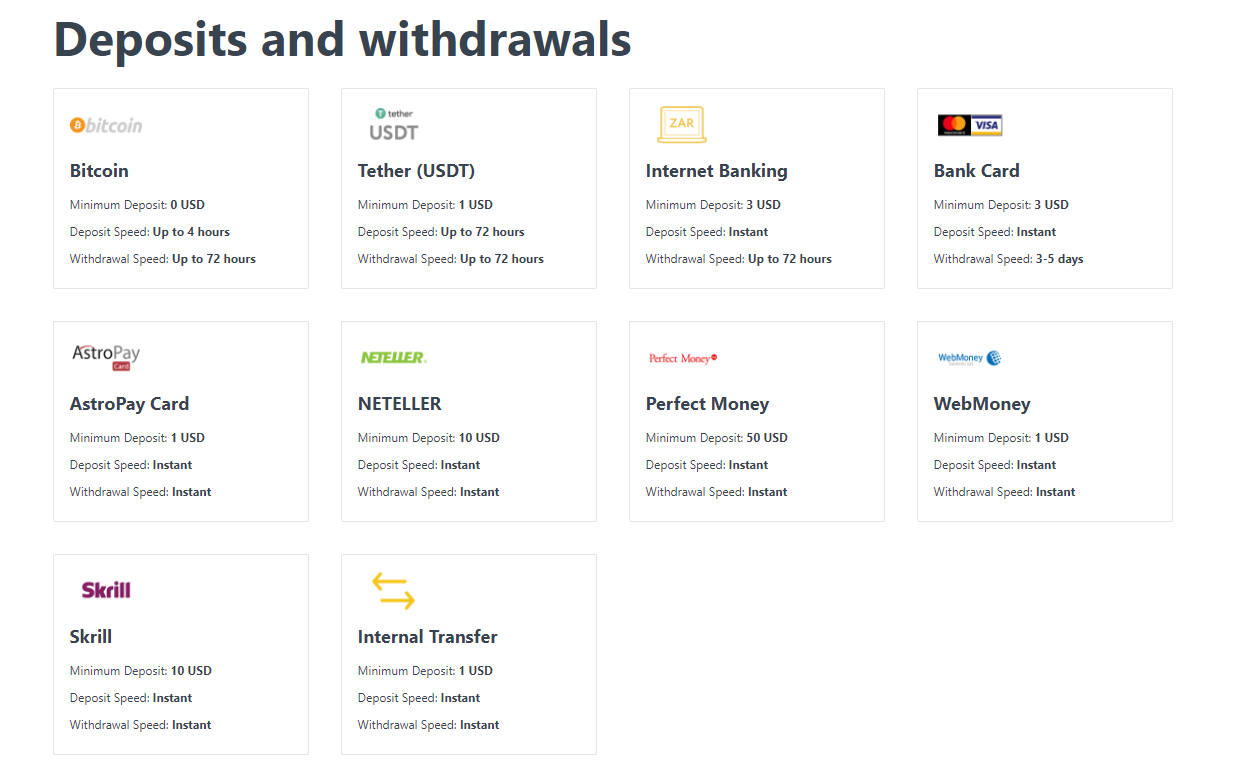
Common deposit methods
Visa Mastercard Bank Transfer Skrill Neteller PayPal Binance Pay Crypto (USDT)
Availability depends on country + entity + account verification.
Common withdrawal methods
Visa Mastercard Bank Transfer Skrill Neteller Binance Pay Crypto (USDT)
Withdrawals usually require matching ownership + completed KYC.
🧑‍💻

Support Console

Support /10
Live chat
Fastest
Email tickets
Good for docs
Phone support
Varies
💬
Live chat
Fastest path for urgent issues
  • Availability: Exness lists live chat as 24/7.
  • Best use: payment method problems, verification questions, urgent access issues.
  • Tip: paste transaction IDs or order tickets for faster handling.
📩
Tickets & email
When you need a written trail
  • Reply target: Exness states tickets get a reply within 24 hours.
  • Best use: withdrawals stuck, account restrictions, document verification.
  • Tip: include screenshots + timestamps to avoid back‑and‑forth.
📞
Phone support
Good when chat is too slow
  • Availability: Exness lists phone support as 24/7.
  • Best use: urgent access problems or time‑sensitive withdrawals.
  • Tip: keep your account details ready to verify quickly.
🧠
Self‑serve clarity
Where to verify facts yourself
  • Contract Specs: spread/commission/swap + stop‑level rules (symbol‑specific).
  • Client area: payment status + timestamps for deposits/withdrawals.
  • Help Center: policy answers without waiting for a human.

Screenshots

FAQ

Is Exness good for scalping and EAs?
Often yes—especially on Raw/Zero where spreads + commissions are designed for active trading. Always test on a small balance first.
Which account type is best for beginners?
Standard (or Cent) is the simplest start. Move to Raw/Zero only when you understand your per-trade costs and sizing.
Is Exness “safe”?
Safety depends on the entity/jurisdiction you register under. Confirm the exact entity and verify it on the regulator’s official register.
Does Exness offer swap-free / Islamic status?
Swap-free availability and rules can depend on region and eligibility. Verify the exact conditions in your account portal for your entity.
© ForexPeer